Water heaters
Water heater replacement and installation
Replacing a water heater means choosing the right type and size, then installing it to current code, which often includes a new expansion tank, venting, seismic straps or a drain pan. Most jurisdictions require a permit, which the plumber pulls.
- Licensed plumbers in all 50 states
- Upfront pricing from the plumber before work
- Free referral, no obligation
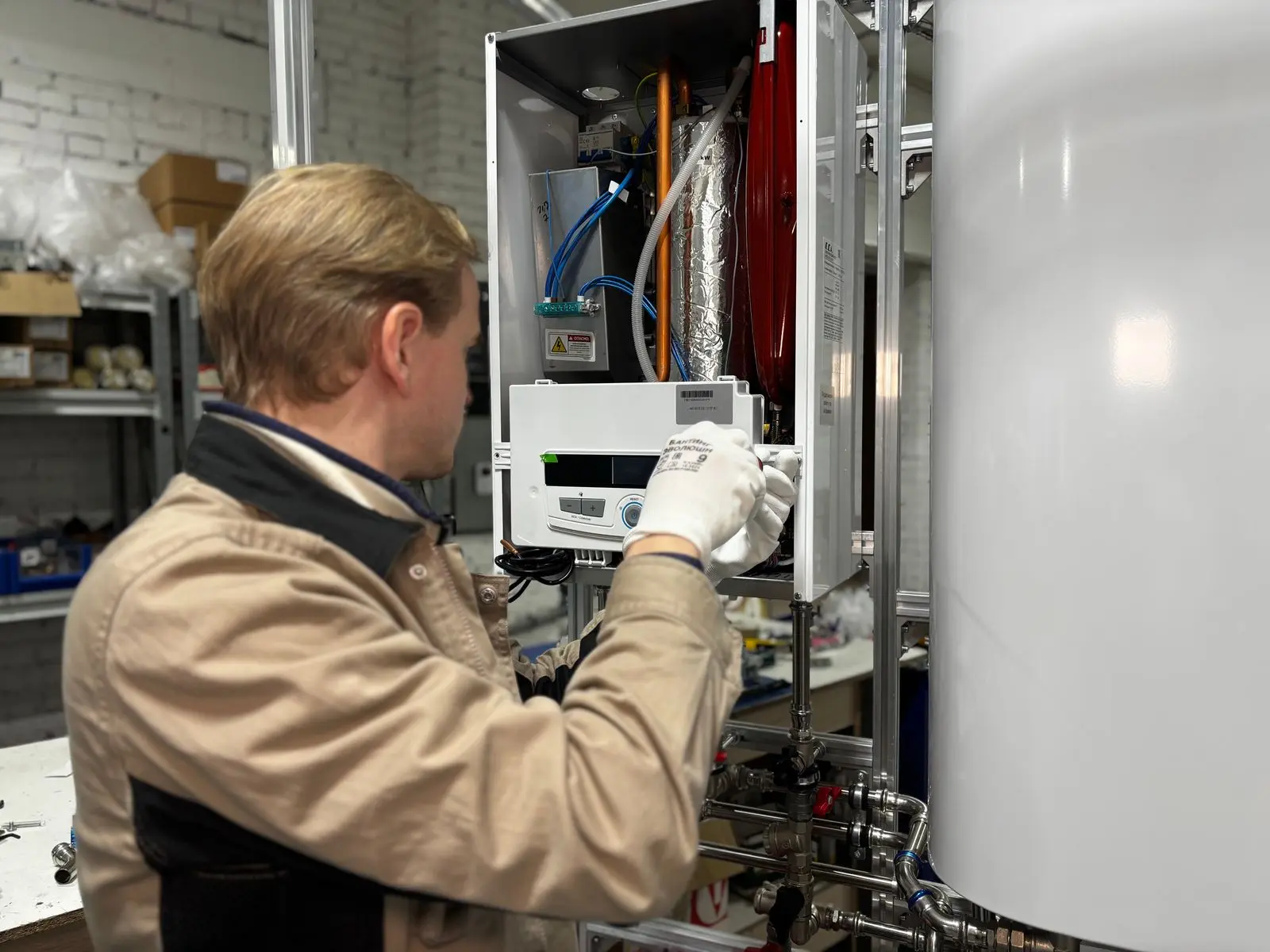
Size a tank heater by your household's peak hour, not the old tank's label alone. A 40-gallon tank suits many 2 to 3 person homes; larger families often need 50 gallons or more. Tankless heaters are sized by flow rate and your area's incoming water temperature, which is much colder in northern states than in the South.
Code has changed since many existing heaters went in. Depending on your area, the installer may need to add a thermal expansion tank, a drain pan, earthquake straps, new venting for a gas unit, or a dedicated circuit for a heat pump model. A licensed plumber knows local requirements and handles the permit and inspection.
Water Heater Replacement at a glance
- Service
- Water Heater Replacement
- Category
- Water heaters
- Availability
- Scheduled and same-day visits, depending on local availability
- Service area
- All 50 states and Washington, DC
- Also called
- hot water heater installation, tankless water heater, new water heater
- Permit
- Usually required; handled by the plumber
- Cost
- Quoted on site by the pro before work starts; see cost factors below
Signs you need water heater replacement
- The tank is leaking from the body
- The heater is over 10 years old and needs a major repair
- You regularly run out of hot water
- Rusty hot water or heavy sediment despite flushing
- Rising energy bills from an inefficient old unit
What the pro does, step by step
- 1
Size and select
The plumber reviews household size, fixtures, fuel type and space to recommend tank, tankless or heat pump options.
- 2
Permit and prep
Where required, a permit is pulled. Water and fuel are shut off and the old unit drained.
- 3
Install to code
The new heater is set, connected and vented, with any required expansion tank, pan, straps or valves.
- 4
Start up and haul away
The unit is filled, fired or powered, tested for leaks, set to a safe temperature, and the old heater removed.
What affects the cost of water heater replacement
Prices vary by market and job. The pro gives you a price before starting; these factors drive it.
- Tank, tankless or heat pump
- Capacity or flow rate
- Gas line, venting or electrical upgrades
- Code items like expansion tanks, pans and straps
- Location (attic and closet installs cost more)
What you can safely do, and when to stop
Safe to do yourself
- Find your model and serial number (the age is often encoded in the serial)
- Clear space around the heater for access
- Check the fuel type and vent style
- Compare utility rebates for high-efficiency models
Stop and call a pro
- Any gas line or venting work
- Adding circuits for electric or heat pump units
- Installs that need a permit where you live
- Moving the heater to a new location
Water Heater Replacement FAQ
Should I switch to a tankless water heater?
Tankless heaters save space and never run out, but cost more to install and may need a larger gas line or venting. They make the most sense when you plan to stay in the home and your gas service can support them.
What size water heater do I need?
As a rough guide, 40 gallons for 1 to 3 people and 50 gallons or more for 3 to 5 people, adjusted for large tubs and simultaneous showers. The plumber sizes it for your household.
Do I need a permit to replace a water heater?
In most US jurisdictions, yes. Water heaters involve gas, venting or high-voltage power and a pressure relief valve, so they are inspected for safety. The plumber usually pulls the permit.
How long does installation take?
A like-for-like tank swap usually takes a few hours. Switching to tankless or relocating the heater can take most of a day.
Water Heater Replacement near you
Available in all 50 states. Find local conditions for your area:
Or browse by state: Alabama, Alaska, Arizona, Arkansas, California, Colorado, Connecticut, Delaware, District of Columbia, Florida, Georgia, Hawaii and all states.
Related services
Water Heater Repair
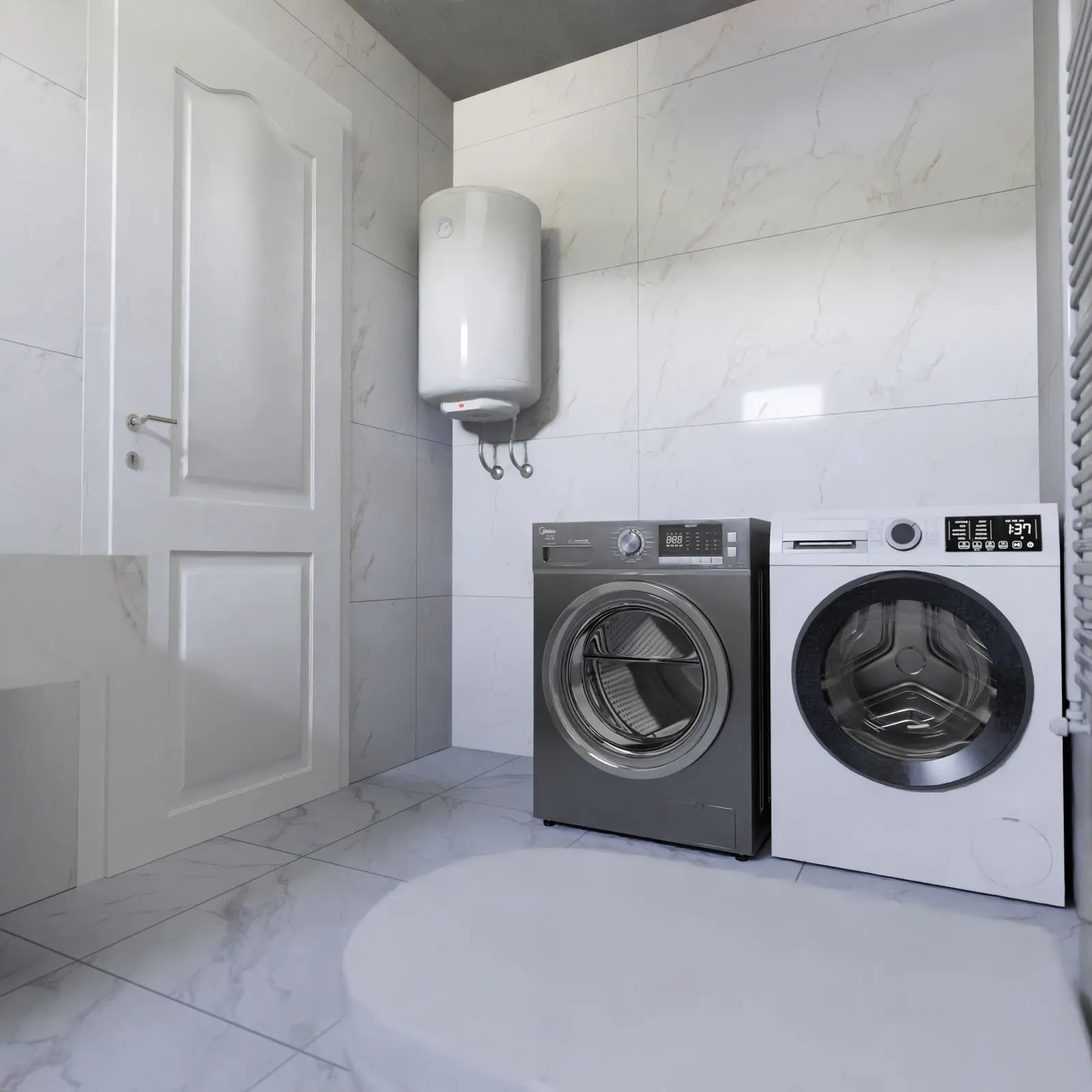
Most water heater problems come from a failed heating element or thermostat (electric), a bad thermocouple, igniter or gas valve (gas), or sediment buildup.
Learn more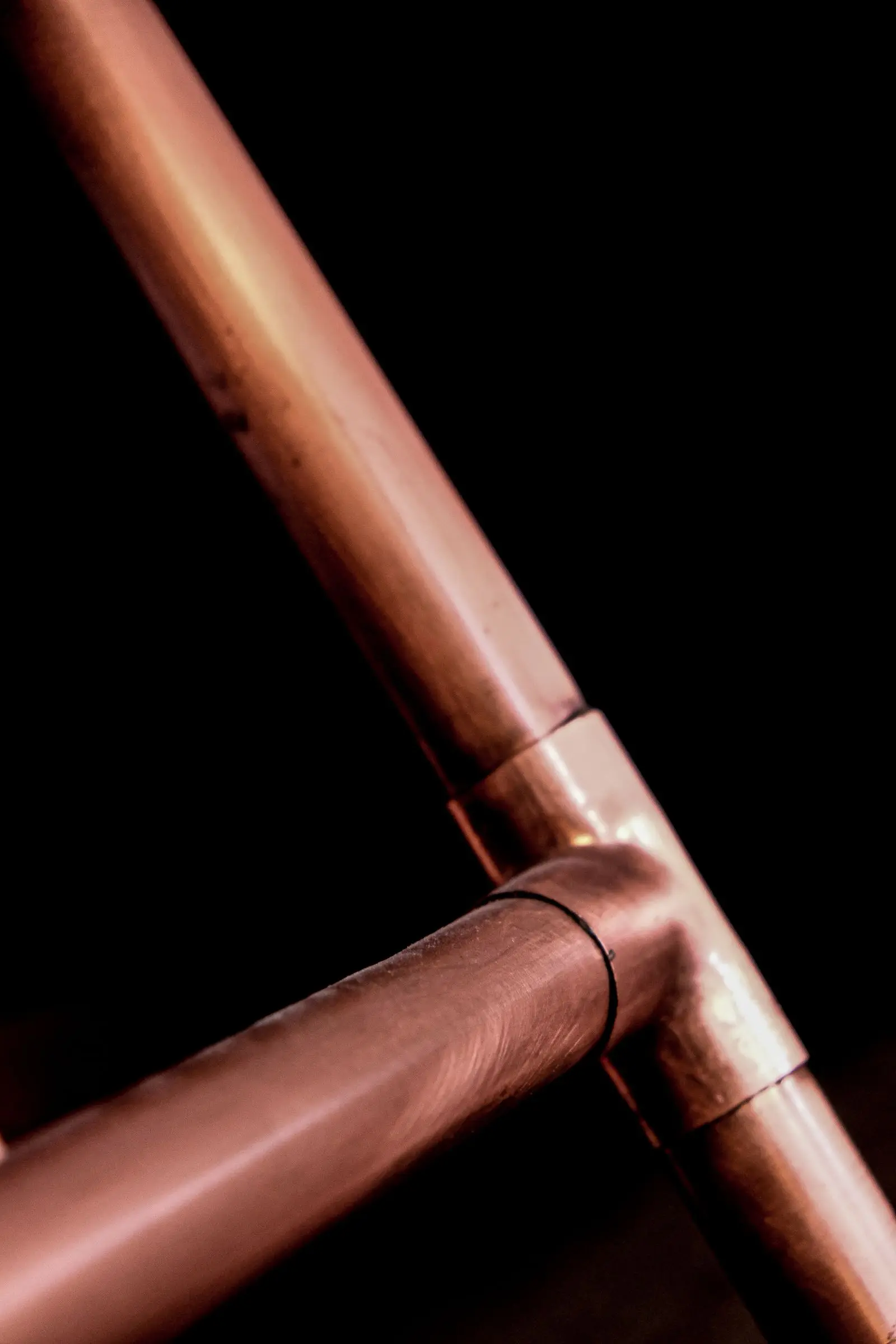
Whole-House Repiping
Repiping replaces a home's water supply lines, usually old galvanized steel, polybutylene or leak-prone copper, with new PEX or copper.
Learn more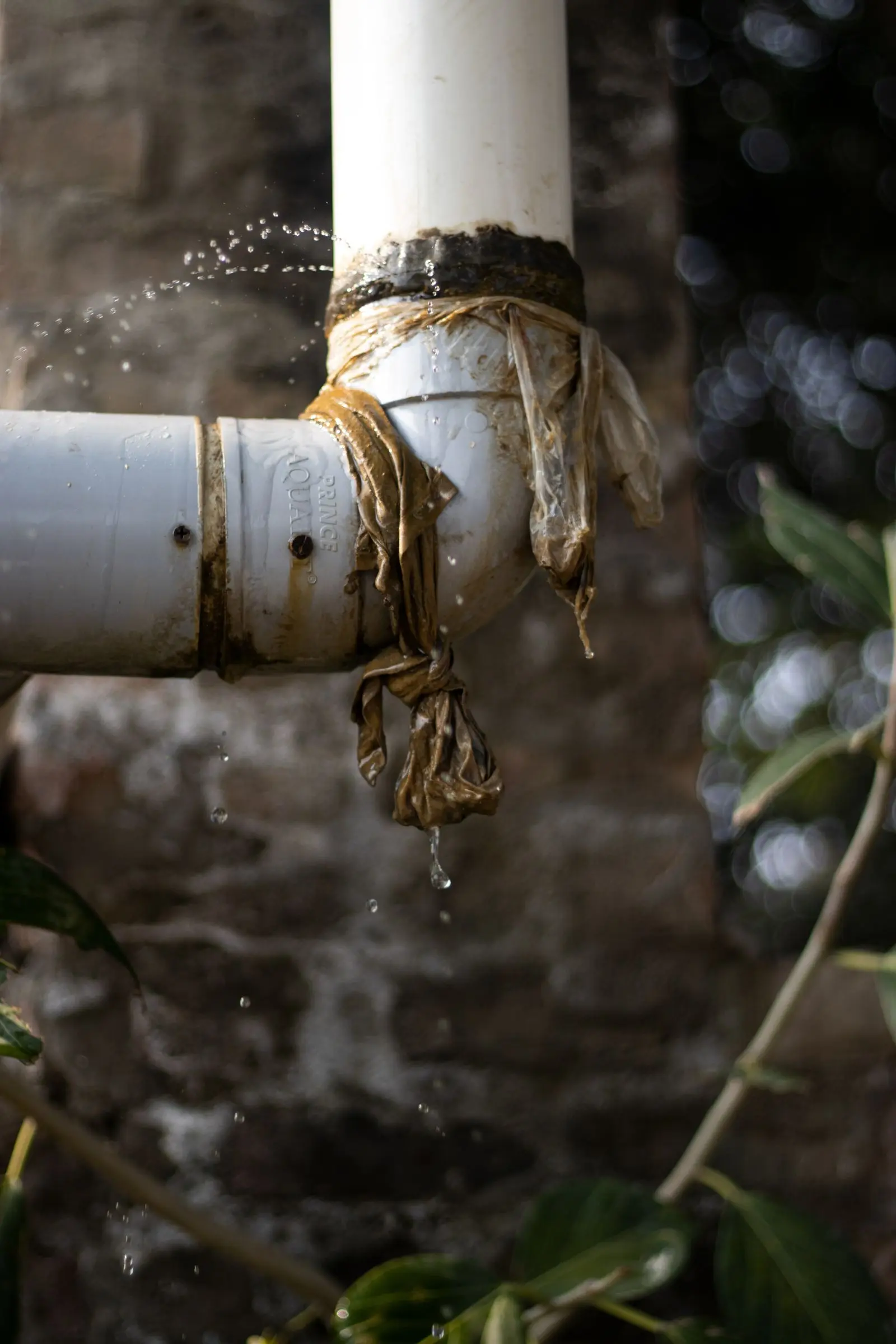
Leak Detection
Leak detection locates hidden leaks in walls, floors, slabs and yard lines using meter tests, pressure testing, acoustic listening and thermal imaging, so the plumber opens only the spot that needs repair..
Learn moreHelpful guides
Water Heater Leaking? What to Do Right Now
Turn off the cold water supply valve on top of the heater and shut off the power or set the gas to off. Then find the source: fittings and valves can be repaired, but a leak from the tank itself means the heater must be replaced.
Read the guideTank vs. Tankless Water Heater: Which Is Right for You?
Tank heaters cost less to buy and install and are simple to replace. Tankless heaters cost more upfront but supply endless hot water, take less space and last longer. Your gas line, venting and how long you'll stay usually decide it.
Read the guideGet water heater replacement help now
Call (888) 555-0142 to reach an available local pro, or request service online.