Emergencies and leaks
Slab leak detection and repair
A slab leak is a leak in a water line under a concrete foundation. It is repaired by opening the slab at the leak for a spot repair, or by rerouting the line through walls or the attic, which is often better when pipes are aging.
- Licensed plumbers in all 50 states
- Upfront pricing from the plumber before work
- Free referral, no obligation

Slab leaks are most common in slab-on-grade homes across the Sun Belt, from Florida and Texas to Arizona and California. Movement of expansive clay soils, hard water, abrasion where pipes rub concrete and corrosion all contribute. A leak on the hot side often shows up as a warm spot on the floor and a water heater that seems to run constantly.
Once the leak is located, there are two main options. A spot repair means cutting the slab at the leak, fixing the pipe and patching the concrete. Rerouting abandons the failed line and runs new PEX or copper above the slab. If the pipes are original and a second leak is likely, rerouting or repiping usually costs less over time.
Slab Leak Repair at a glance
- Service
- Slab Leak Repair
- Category
- Emergencies and leaks
- Availability
- Scheduled and same-day visits, depending on local availability
- Service area
- All 50 states and Washington, DC
- Also called
- under-slab leak, foundation leak, slab leak detection
- Common in
- Slab-on-grade homes, especially in the South and Southwest
- Cost
- Quoted on site by the pro before work starts; see cost factors below
Signs you need slab leak repair
- Warm or hot spots on a tile or wood floor
- The sound of running water with everything off
- A water meter that keeps turning
- Cracks in flooring or baseboards that are damp
- Mildew or wet carpet with no obvious source
What the pro does, step by step
- 1
Confirm and locate
Pressure tests and leak detection equipment confirm the leak and pinpoint it under the slab.
- 2
Choose the repair
The plumber explains spot repair versus reroute based on pipe age, leak location and floor coverings.
- 3
Repair
Either the slab is opened and the pipe repaired, or a new line is routed above the slab.
- 4
Test and restore
The system is pressure tested; concrete is patched and flooring restoration is arranged if needed.
What affects the cost of slab leak repair
Prices vary by market and job. The pro gives you a price before starting; these factors drive it.
- Leak depth and location under the home
- Floor covering over the leak
- Spot repair versus reroute or repipe
- Pipe material and age
- Floor and drywall restoration
What you can safely do, and when to stop
Safe to do yourself
- Do a meter test with all fixtures off
- Feel floors for warm spots with bare feet
- Turn off the water heater's cold inlet valve to see if a hot-side leak stops
- Photograph damage for insurance
Stop and call a pro
- You see water coming up through the floor
- Cracked foundation or shifting floors
- A hot-water leak that raises utility bills
- Any concrete cutting
Slab Leak Repair FAQ
What causes slab leaks?
Soil movement, water pressure, hard water, abrasion against concrete, poor original installation and corrosion of aging copper lines are the common causes.
Is a slab leak an emergency?
A large leak can undermine the foundation and damage floors, so treat it as urgent. Shut off the main water if you see water coming through the floor.
Should I repair or reroute a slab leak?
Spot repair is reasonable for a single leak in younger pipes. For older pipes or a second leak, rerouting avoids more jackhammering later.
Does insurance pay for slab leaks?
Many policies cover damage caused by a sudden slab leak and sometimes the cost to access the pipe, but often not the pipe itself. Check with your insurer.
Slab Leak Repair near you
Available in all 50 states. Find local conditions for your area:
Or browse by state: Alabama, Alaska, Arizona, Arkansas, California, Colorado, Connecticut, Delaware, District of Columbia, Florida, Georgia, Hawaii and all states.
Related services
Leak Detection
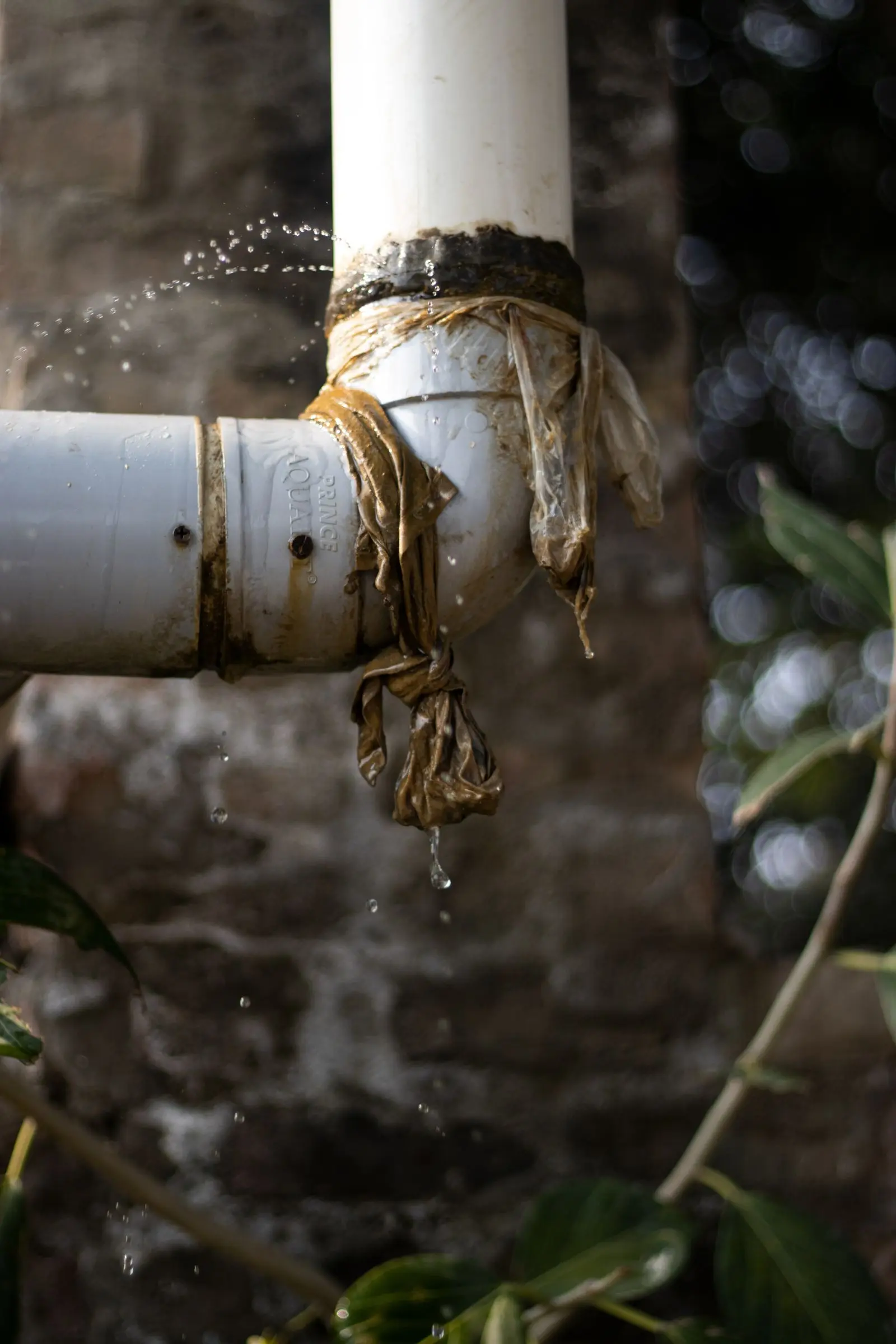
Leak detection locates hidden leaks in walls, floors, slabs and yard lines using meter tests, pressure testing, acoustic listening and thermal imaging, so the plumber opens only the spot that needs repair..
Learn more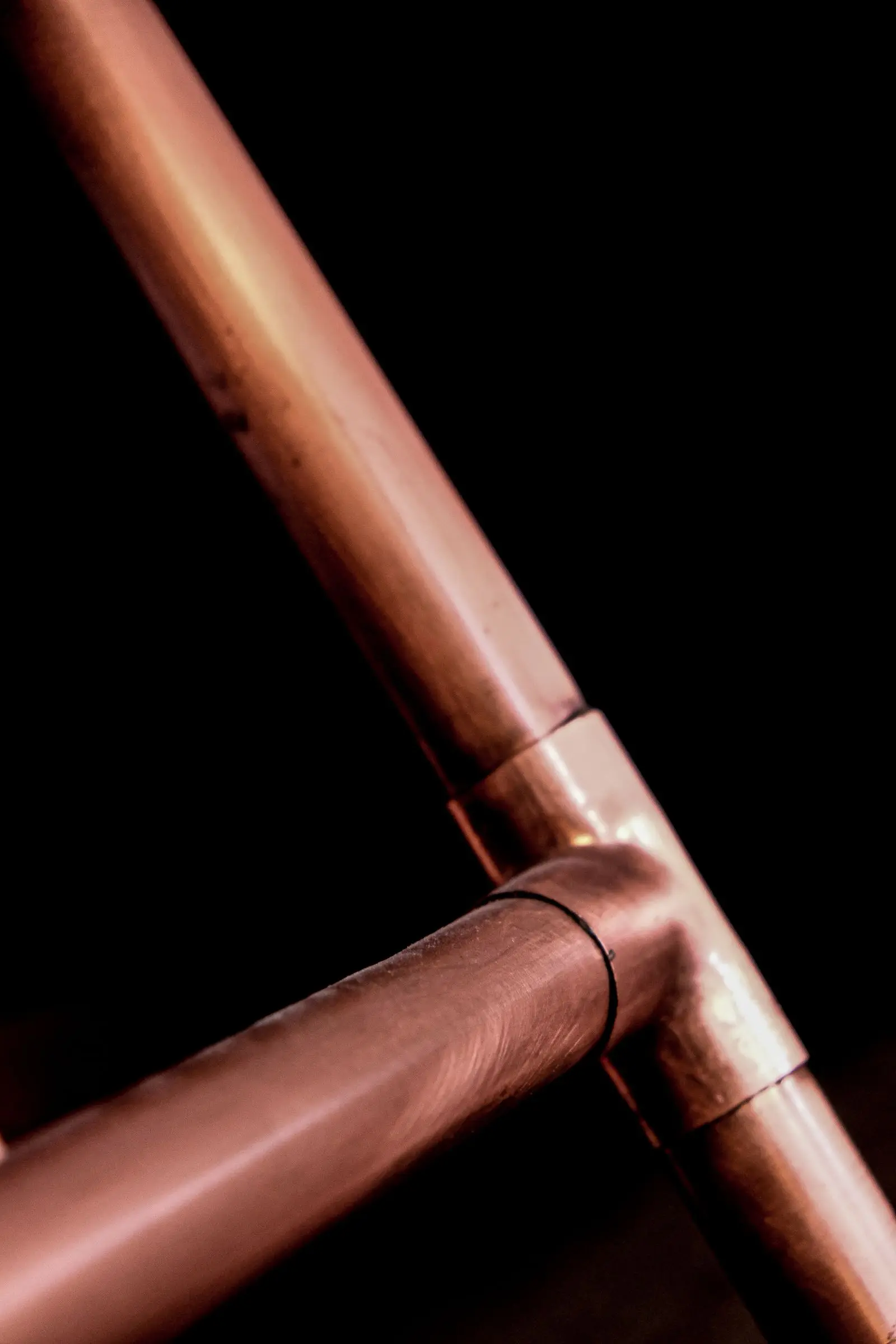
Whole-House Repiping
Repiping replaces a home's water supply lines, usually old galvanized steel, polybutylene or leak-prone copper, with new PEX or copper.
Learn more
Emergency Plumbing
An emergency plumber stops active leaks, sewage backups and loss of water or hot water before they damage your home.
Learn more
Get slab leak repair help now
Call (888) 555-0142 to reach an available local pro, or request service online.