Leaks
Signs of a Hidden Water Leak (and How to Check)
Updated · By the Keystream Plumbing editorial team
The signs
Hidden leaks give clues long before they cause visible damage.
- A water bill higher than the same month last year with no change in use
- Musty or earthy smells in one area
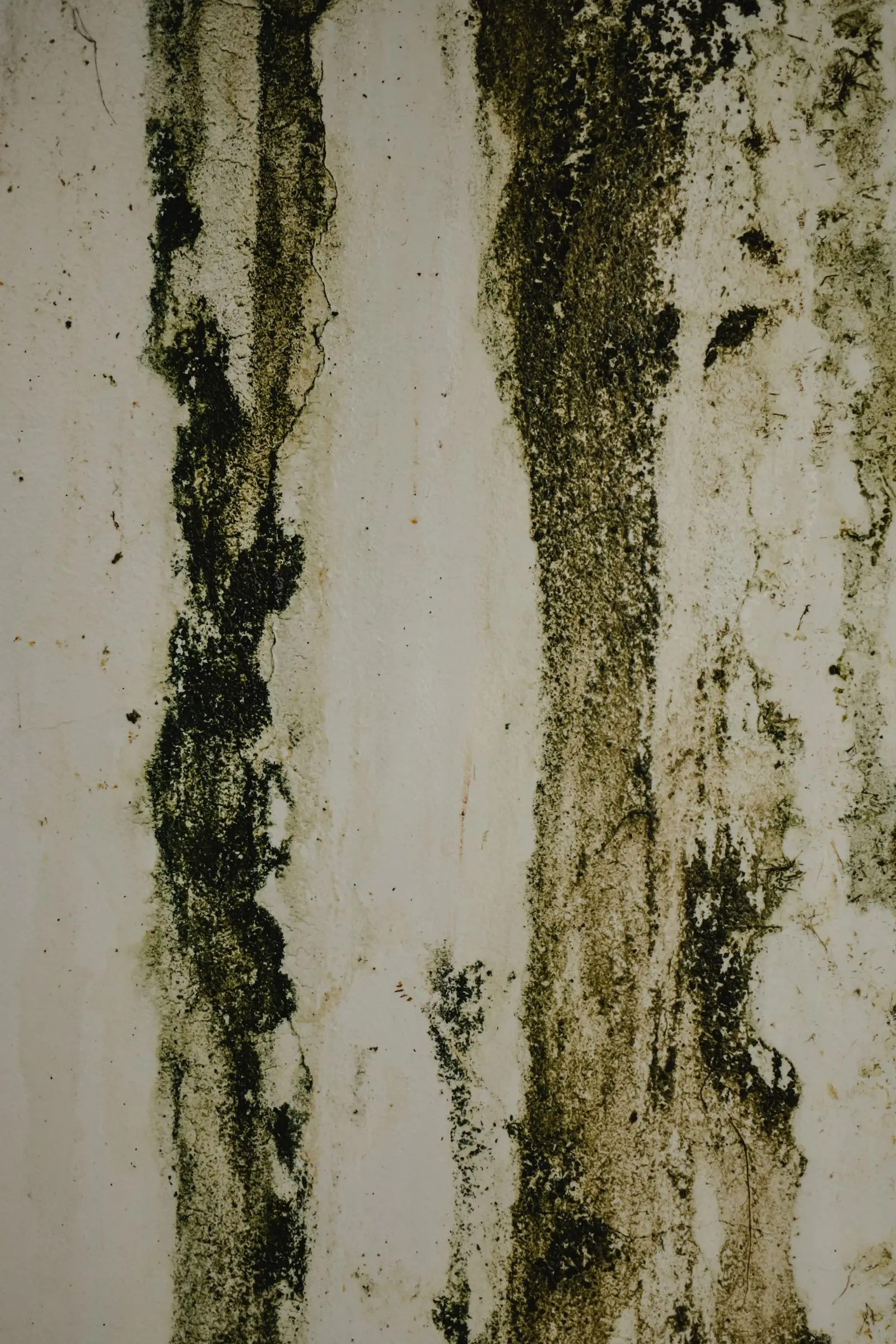
- Stains, bubbling paint or soft drywall
- Warped or cupped flooring
- Warm spots on a slab floor (hot water leak)
- Running water sounds when everything is off
- Unusually green or soggy patches in the yard
The 15-minute meter test
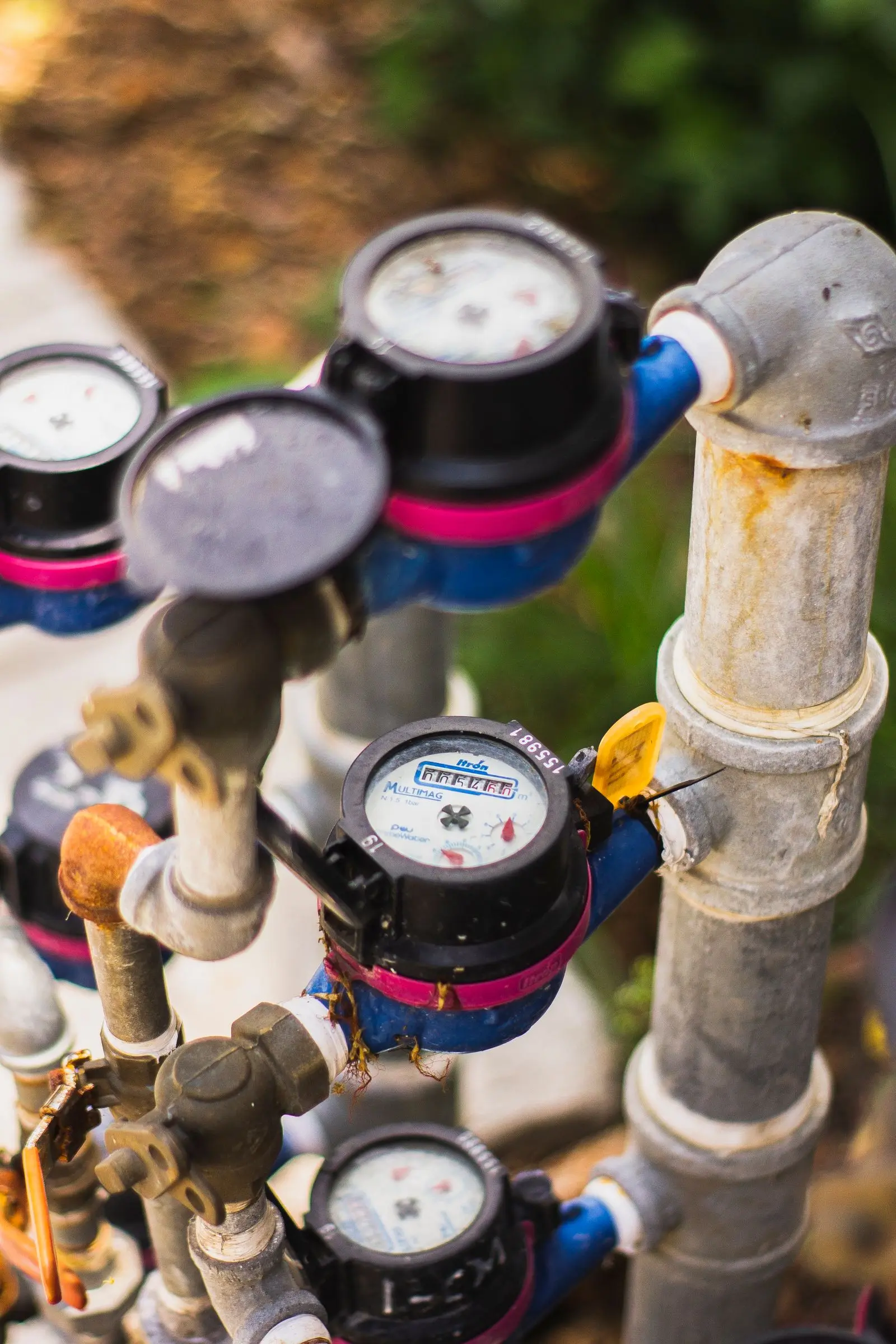
Turn off every faucet and appliance, including the icemaker and irrigation. Find the meter and note the reading or the leak indicator, a small dial or triangle. Wait 15 minutes without using water. Any movement means a leak.
Next, close the main valve at the house and repeat. If the meter still moves, the leak is in the service line between the meter and the house.
Check the usual suspects first
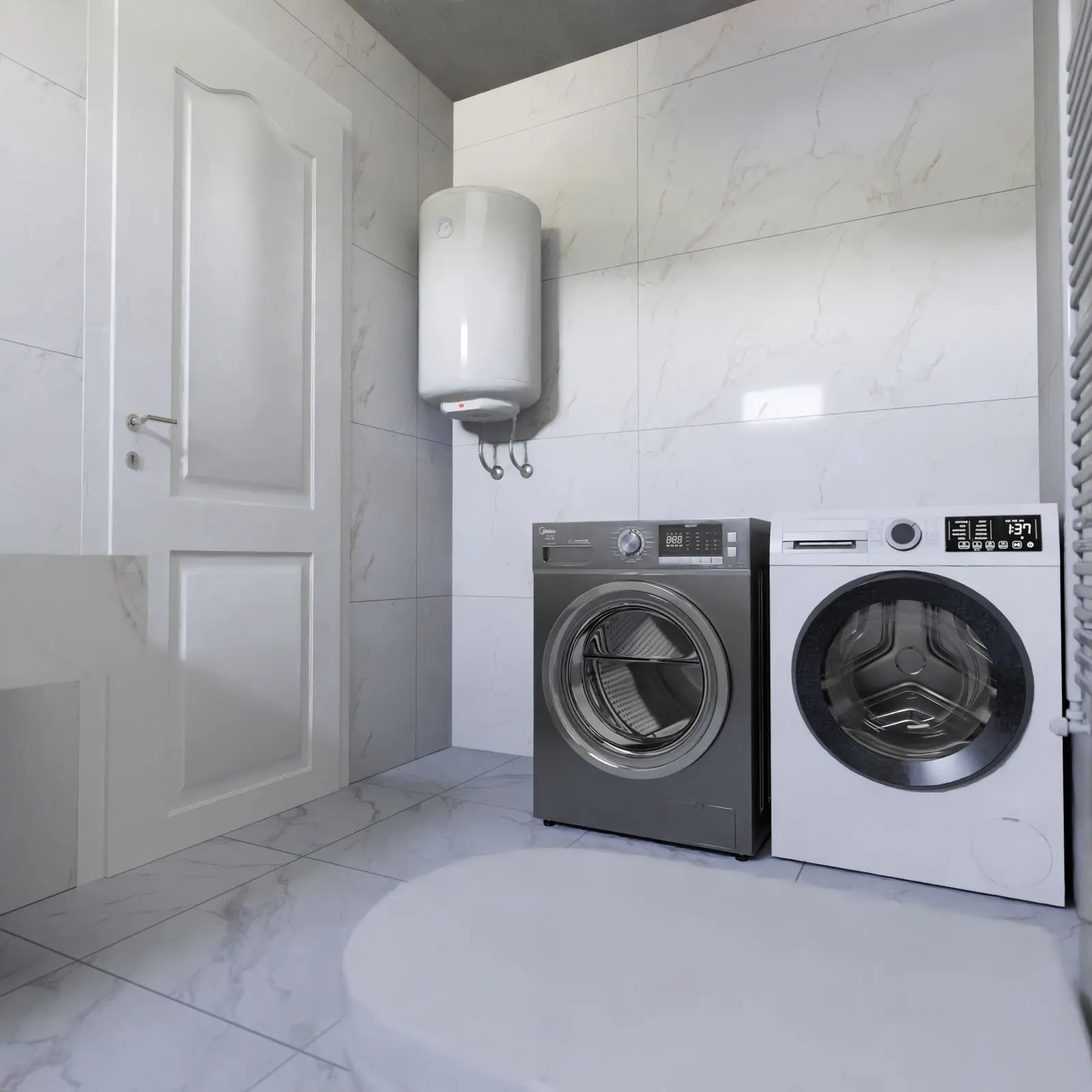
Toilets are the number one hidden leak. Put a few drops of food coloring in the tank and wait 10 minutes without flushing; color in the bowl means the flapper leaks. Also check under sinks, behind the washing machine and at the water heater's relief valve drain.
When to call a pro
If the meter shows a leak you can't find, professional leak detection locates it with acoustic and thermal tools so only a small section needs to be opened.
Frequently asked questions
How much water does a hidden leak waste?
A running toilet alone can waste 200 gallons or more a day. Supply line leaks under pressure can waste much more.
Can a hidden leak cause mold?
Yes. Wet drywall and wood can grow mold within 24 to 48 hours, so hidden leaks often cause mold before they are noticed.
Will my water company find a leak for me?
Some utilities flag unusual usage, but finding the leak on your property is the owner's job. A plumber handles that.
Editorial note: This guide is general information for homeowners, not a substitute for an on-site assessment. Local codes and conditions vary; a licensed pro can confirm what applies to your home.