Pipes and fixtures
Whole-house repiping
Repiping replaces a home's water supply lines, usually old galvanized steel, polybutylene or leak-prone copper, with new PEX or copper. It's the long-term fix when leaks keep coming back or water pressure and quality are failing.
- Licensed plumbers in all 50 states
- Upfront pricing from the plumber before work
- Free referral, no obligation
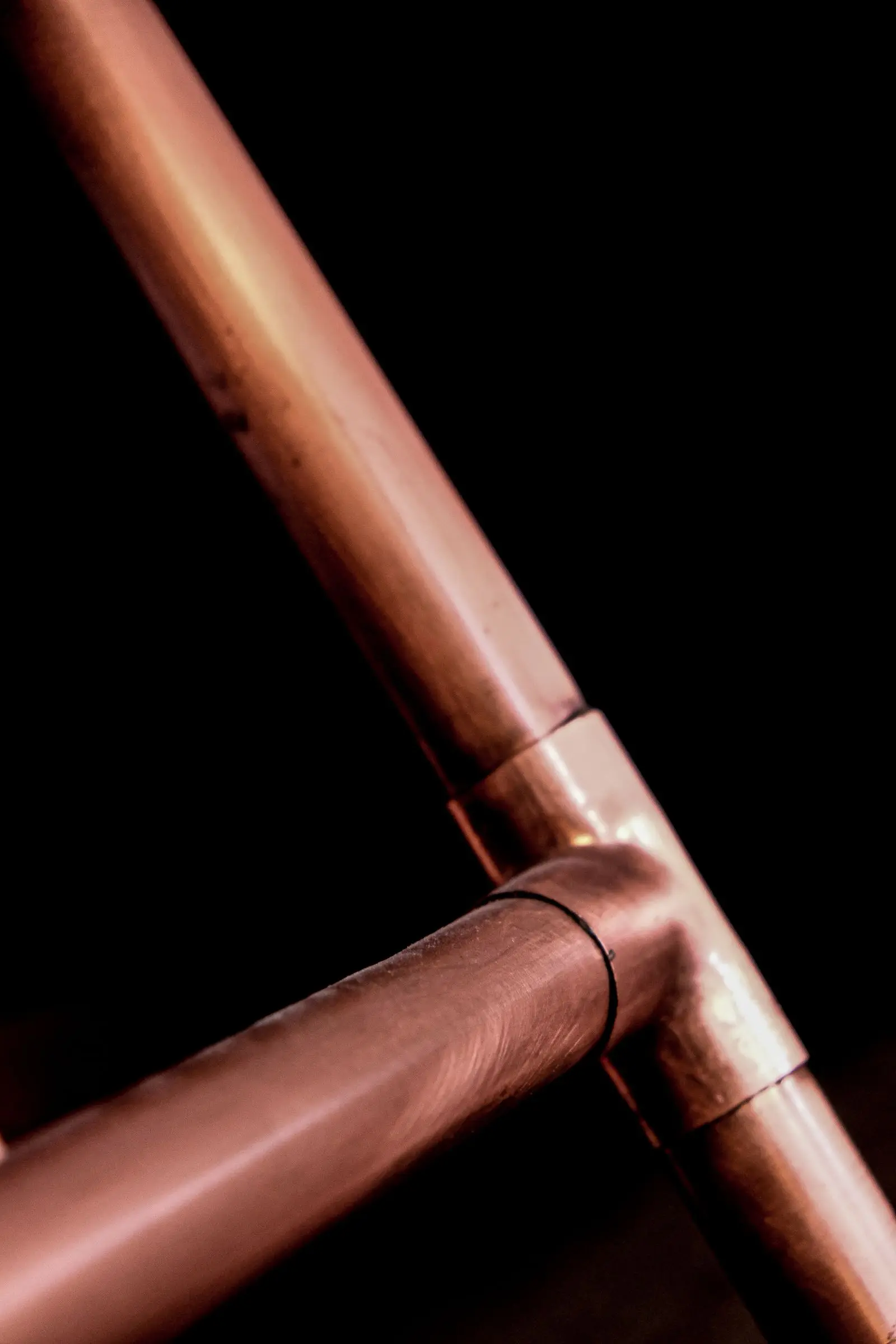
Galvanized steel was common in homes built before the 1960s, and it rusts from the inside, narrowing until water pressure drops and water turns brown. Polybutylene, a gray plastic used from the late 1970s to the mid 1990s, is known for sudden failures. Copper usually lasts decades, but aggressive or very soft water can cause repeated pinhole leaks.
A typical repipe runs new lines through attics, crawl spaces and walls with small access openings that are patched afterward. PEX is flexible, freeze-tolerant and quicker to install; copper is rigid, long-proven and preferred in some markets. Most repipes take a few days, and water is usually restored each evening.
Whole-House Repiping at a glance
- Service
- Whole-House Repiping
- Category
- Pipes and fixtures
- Availability
- Scheduled and same-day visits, depending on local availability
- Service area
- All 50 states and Washington, DC
- Also called
- repipe, pipe replacement, galvanized pipe replacement, polybutylene replacement
- Typical duration
- 2 to 5 days for most homes
- Cost
- Quoted on site by the pro before work starts; see cost factors below
Signs you need whole-house repiping
- Brown or rusty water, especially after being away
- Low water pressure throughout the house
- More than one pinhole leak in a year
- Gray polybutylene pipe at the water heater or meter
- Visible corrosion on exposed pipes
What the pro does, step by step
- 1
Inspect and plan
The plumber identifies pipe types, routes and fixtures, and quotes PEX or copper.
- 2
Permit and protect
A permit is pulled where required, and floors and furniture are protected.
- 3
Install new lines
New supply lines are run to every fixture, with new shutoff valves, then connected and pressure tested.
- 4
Patch and inspect
Access holes are closed, old lines abandoned or removed, and the work inspected.
What affects the cost of whole-house repiping
Prices vary by market and job. The pro gives you a price before starting; these factors drive it.
- Home size and number of fixtures
- PEX versus copper
- Access (slab, crawl space, attic, multi-story)
- Drywall repair and painting
- Permit and inspection fees
What you can safely do, and when to stop
Safe to do yourself
- Check exposed pipes at the water heater and meter to identify material
- Test pressure with a hose-bib gauge (40 to 80 psi is typical)
- Note which fixtures have low pressure or discolored water
- Keep records of past leaks
Stop and call a pro
- Multiple leaks or failing polybutylene
- Any repipe work beyond a single fixture
- Gas and water lines near each other
- Drywall wet from a hidden leak
Whole-House Repiping FAQ
Is PEX or copper better for repiping?
Both are durable. PEX costs less, installs faster with fewer fittings and handles freezing better. Copper is rigid, heat-tolerant and long-proven. Local code, water chemistry and budget usually decide it.
How long does it take to repipe a house?
Most single-family homes take two to five days, depending on size and access. Water is usually turned back on at the end of each day.
Will repiping damage my walls?
The plumber makes small access openings and patches them afterward. Painting may be a separate step.
Do I need to repipe if I have galvanized pipes?
Not immediately if pressure and water quality are fine, but galvanized pipe corrodes from the inside and eventually fails. Many owners plan a repipe before remodeling or selling.
Whole-House Repiping near you
Available in all 50 states. Find local conditions for your area:
Or browse by state: Alabama, Alaska, Arizona, Arkansas, California, Colorado, Connecticut, Delaware, District of Columbia, Florida, Georgia, Hawaii and all states.
Related services
Leak Detection
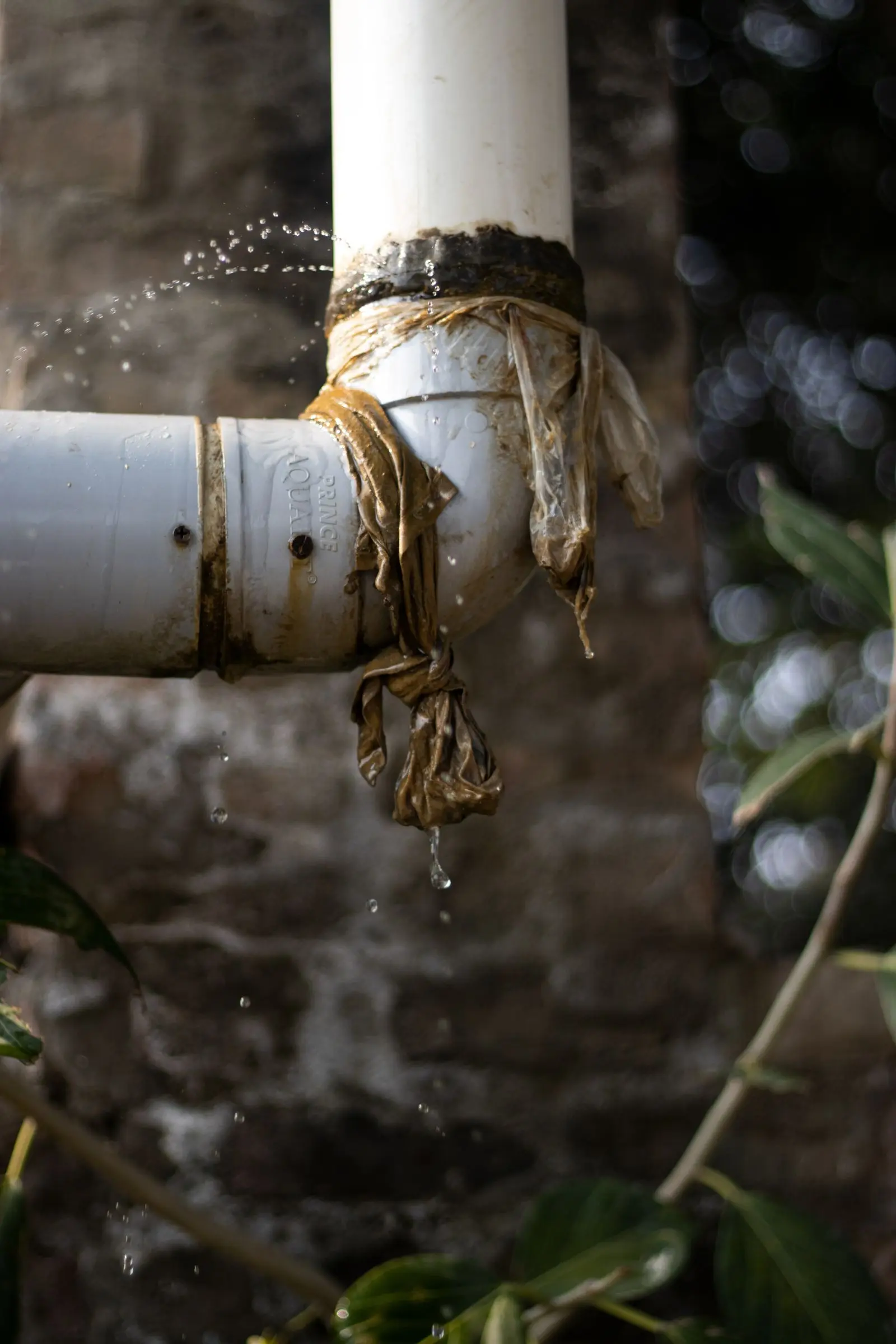
Leak detection locates hidden leaks in walls, floors, slabs and yard lines using meter tests, pressure testing, acoustic listening and thermal imaging, so the plumber opens only the spot that needs repair..
Learn more
Slab Leak Repair
A slab leak is a leak in a water line under a concrete foundation.
Learn more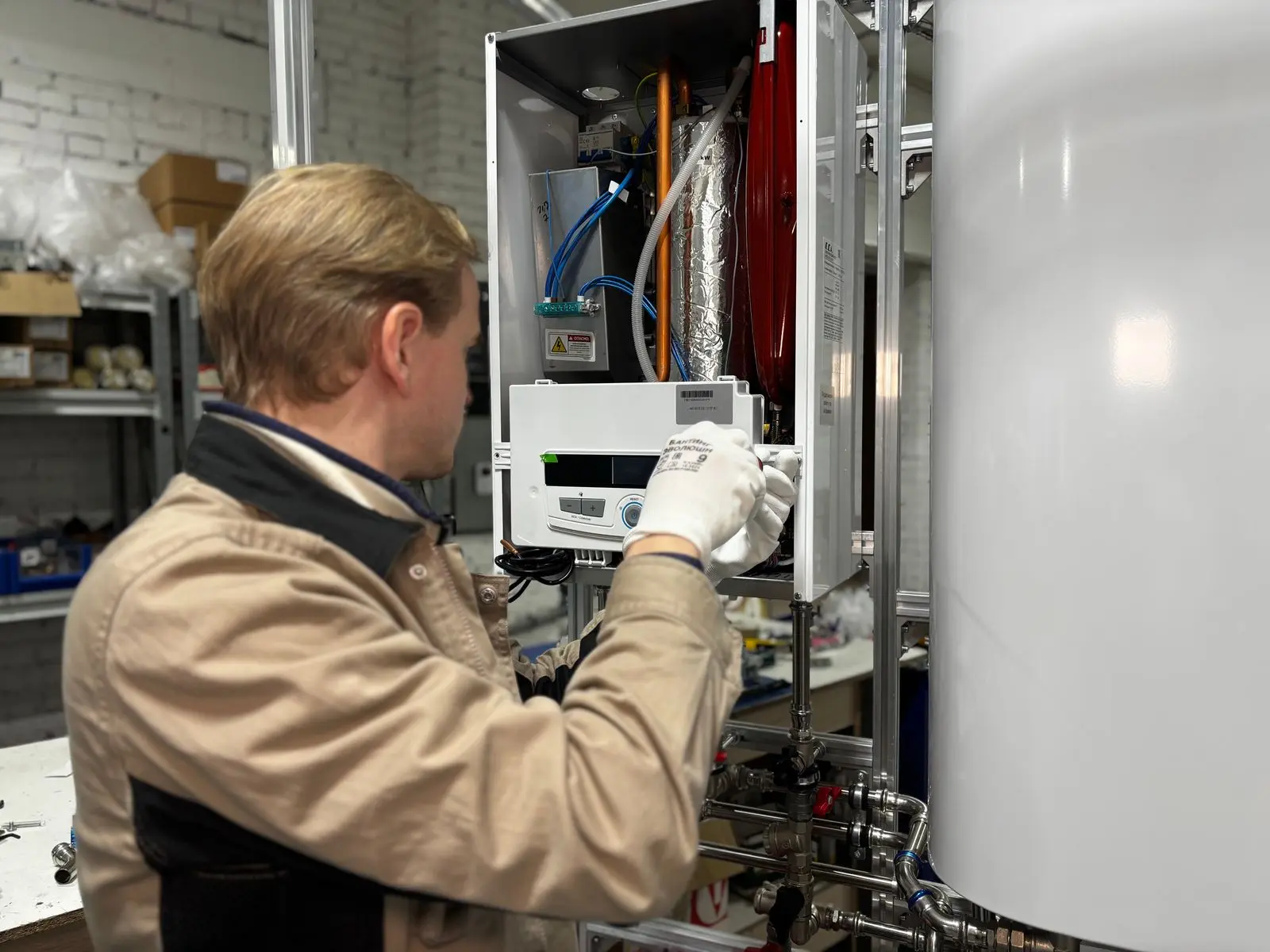
Water Heater Replacement
Replacing a water heater means choosing the right type and size, then installing it to current code, which often includes a new expansion tank, venting, seismic straps or a drain pan.
Learn more
Get whole-house repiping help now
Call (888) 555-0142 to reach an available local pro, or request service online.