Drains and sewer
Drain cleaning for slow and clogged drains
Professional drain cleaning clears clogs with a drain cable (snake) or water jetting, then checks whether the clog is local to one fixture or in the main line. If more than one fixture is slow, the problem is usually further down the line.
- Licensed plumbers in all 50 states
- Upfront pricing from the plumber before work
- Free referral, no obligation
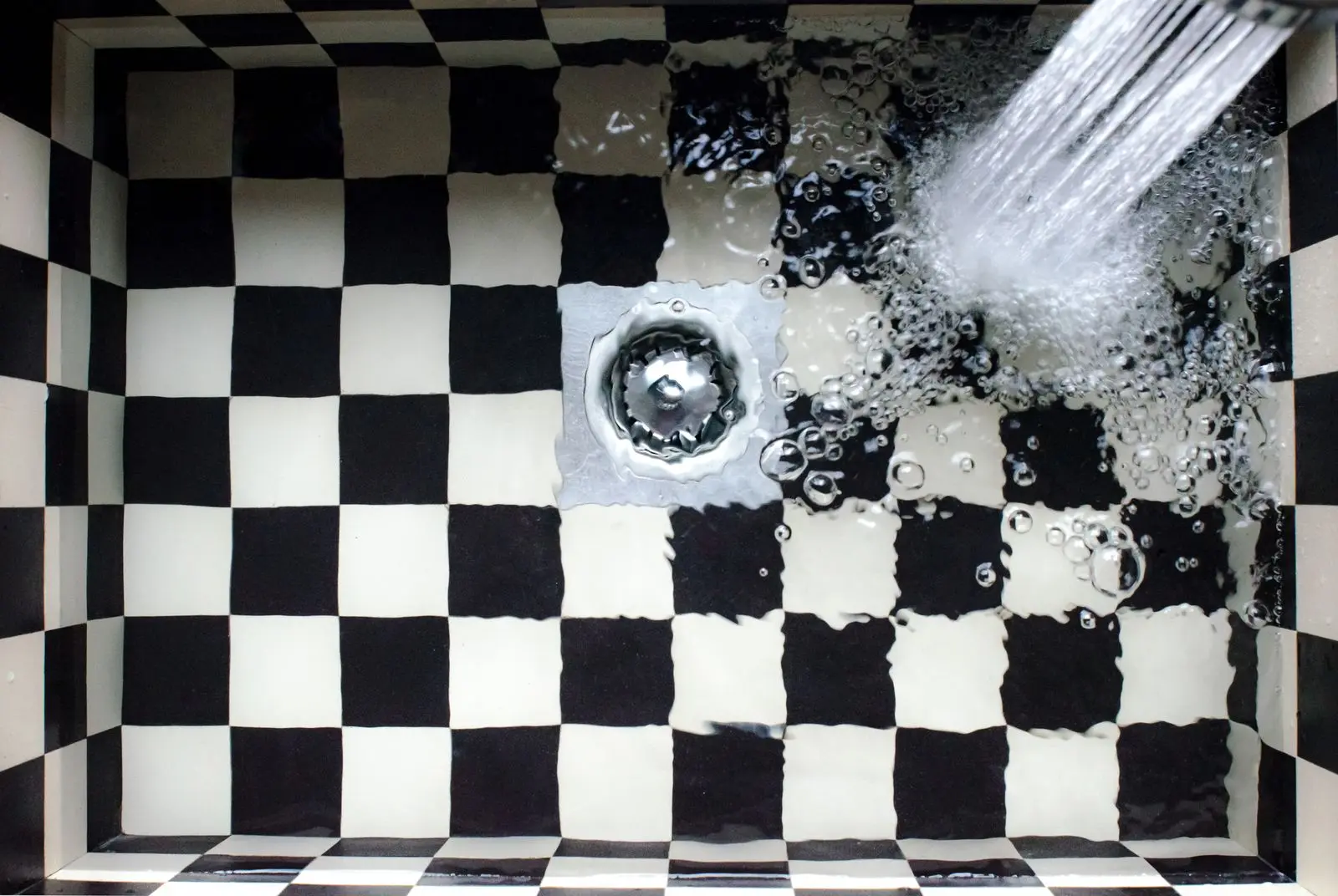
A single slow sink usually means a local clog: hair and soap in a bathroom drain, grease and food in a kitchen line. When the tub gurgles as the toilet flushes, or water shows up in the shower when the washer drains, the blockage is in a shared branch or the main sewer line and needs a longer cable or jetting from a cleanout.
A good drain cleaning is more than punching a hole through the clog. The plumber should tell you what came back on the cable (grease, roots, wipes, scale) because that points to the cause. Repeated clogs in the same line often justify a camera inspection to check for a sag, crack or root intrusion before the next backup.
Drain Cleaning at a glance
- Service
- Drain Cleaning
- Category
- Drains and sewer
- Availability
- Scheduled and same-day visits, depending on local availability
- Service area
- All 50 states and Washington, DC
- Also called
- drain snaking, rooter service, clogged drain repair, main line cleaning
- Typical visit
- About 1 to 2 hours for most clogs
- Cost
- Quoted on site by the pro before work starts; see cost factors below
Signs you need drain cleaning
- Water drains slowly or stands in the sink or tub
- Gurgling sounds from drains or toilets
- Bad odors coming from drains
- More than one fixture backing up at the same time
- Water appearing in a floor drain or shower when another fixture is used
What the pro does, step by step
- 1
Find the clog
The plumber checks which fixtures are affected to tell a local clog from a main-line blockage.
- 2
Clear it
A hand or machine cable clears most sink and tub clogs; main lines are cleared from a cleanout with a larger cable or a water jetter.
- 3
Test and inspect
Fixtures are run to confirm full flow. For recurring or main-line clogs, a camera inspection shows what caused it.
- 4
Prevent the next one
You get specific advice: grease disposal, enzyme maintenance, root treatment or a repair if the pipe is damaged.
What affects the cost of drain cleaning
Prices vary by market and job. The pro gives you a price before starting; these factors drive it.
- Which line is clogged: a single fixture versus the main sewer line
- Whether there's an accessible cleanout
- Cable versus hydro jetting
- Adding a camera inspection
- After-hours timing
What you can safely do, and when to stop
Safe to do yourself
- Use a plunger on sinks and toilets (cover the overflow hole for better suction)
- Pull hair from tub drains with a plastic drain tool
- Clean a sink P-trap over a bucket
- Pour boiling water (not on PVC toilets) or use an enzyme cleaner for mild buildup
Stop and call a pro
- Several fixtures back up at once
- Sewage appears in a floor drain or tub
- You've already used chemical drain cleaner (it's dangerous for the plumber and pipes)
- Clogs return within weeks
Drain Cleaning FAQ
Are chemical drain cleaners safe for pipes?
They can damage older pipes and rarely clear solid clogs, and the caustic water left behind is a hazard to whoever opens the drain next. A plunger, a drain tool or professional cleaning is safer.
What's the difference between snaking and hydro jetting?
A snake (cable) bores through a clog and is ideal for most fixture drains. Hydro jetting uses high-pressure water to scour grease, scale and roots off the pipe walls, which is better for recurring main-line clogs in pipes that are in good condition.
Why does my drain keep clogging?
Repeated clogs usually mean something in the pipe catches debris: grease buildup, a belly (sag), tree roots, or scale in old cast iron. A camera inspection finds the cause.
How often should drains be cleaned?
Most homes only need cleaning when there's a problem. Homes with big trees near the sewer line or heavy kitchen use may benefit from main-line maintenance every one to two years.
Drain Cleaning near you
Available in all 50 states. Find local conditions for your area:
Or browse by state: Alabama, Alaska, Arizona, Arkansas, California, Colorado, Connecticut, Delaware, District of Columbia, Florida, Georgia, Hawaii and all states.
Related services
Sewer Line Repair
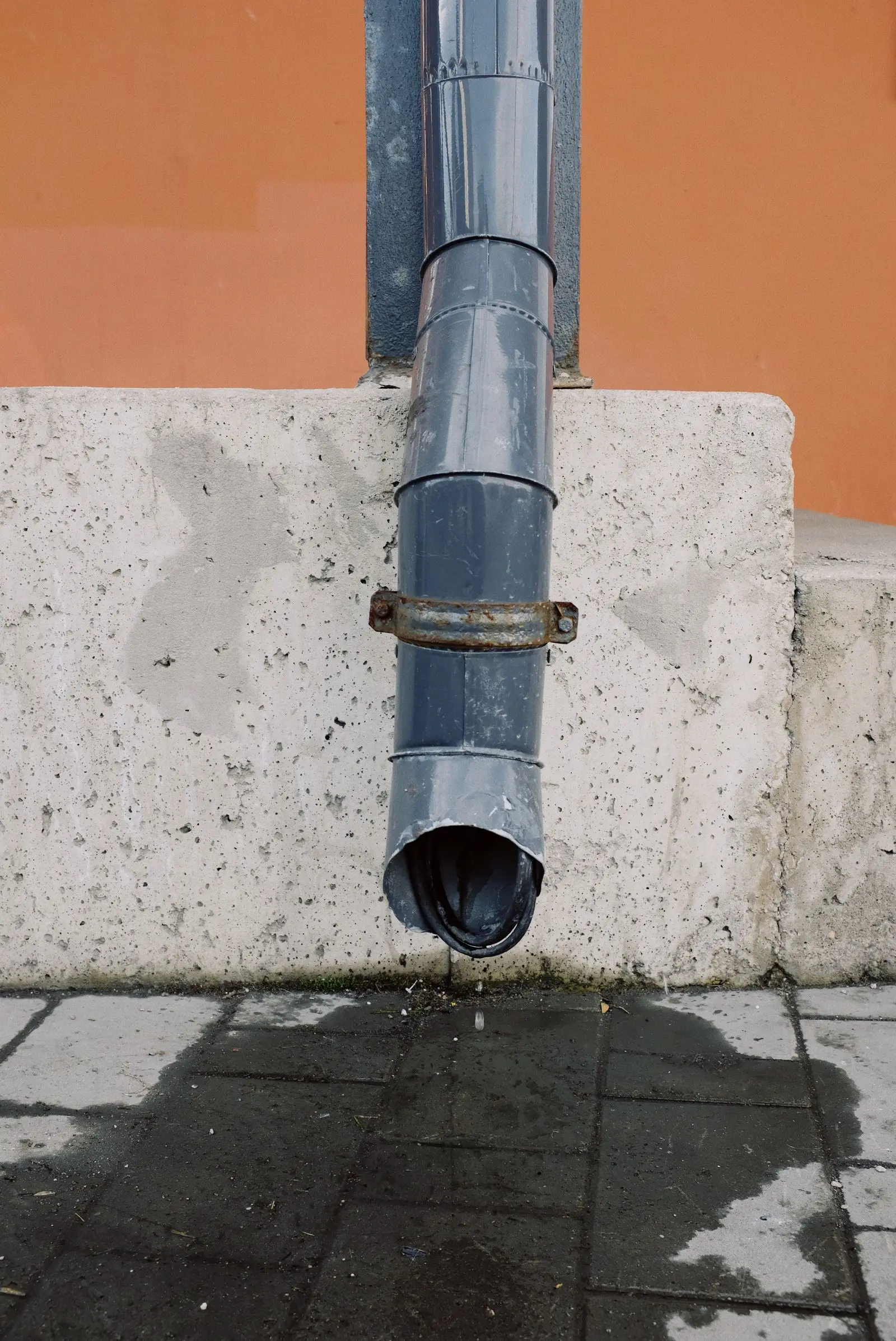
Sewer line repair starts with a camera inspection to find roots, cracks, sags or collapsed pipe.
Learn more
Emergency Plumbing
An emergency plumber stops active leaks, sewage backups and loss of water or hot water before they damage your home.
Learn more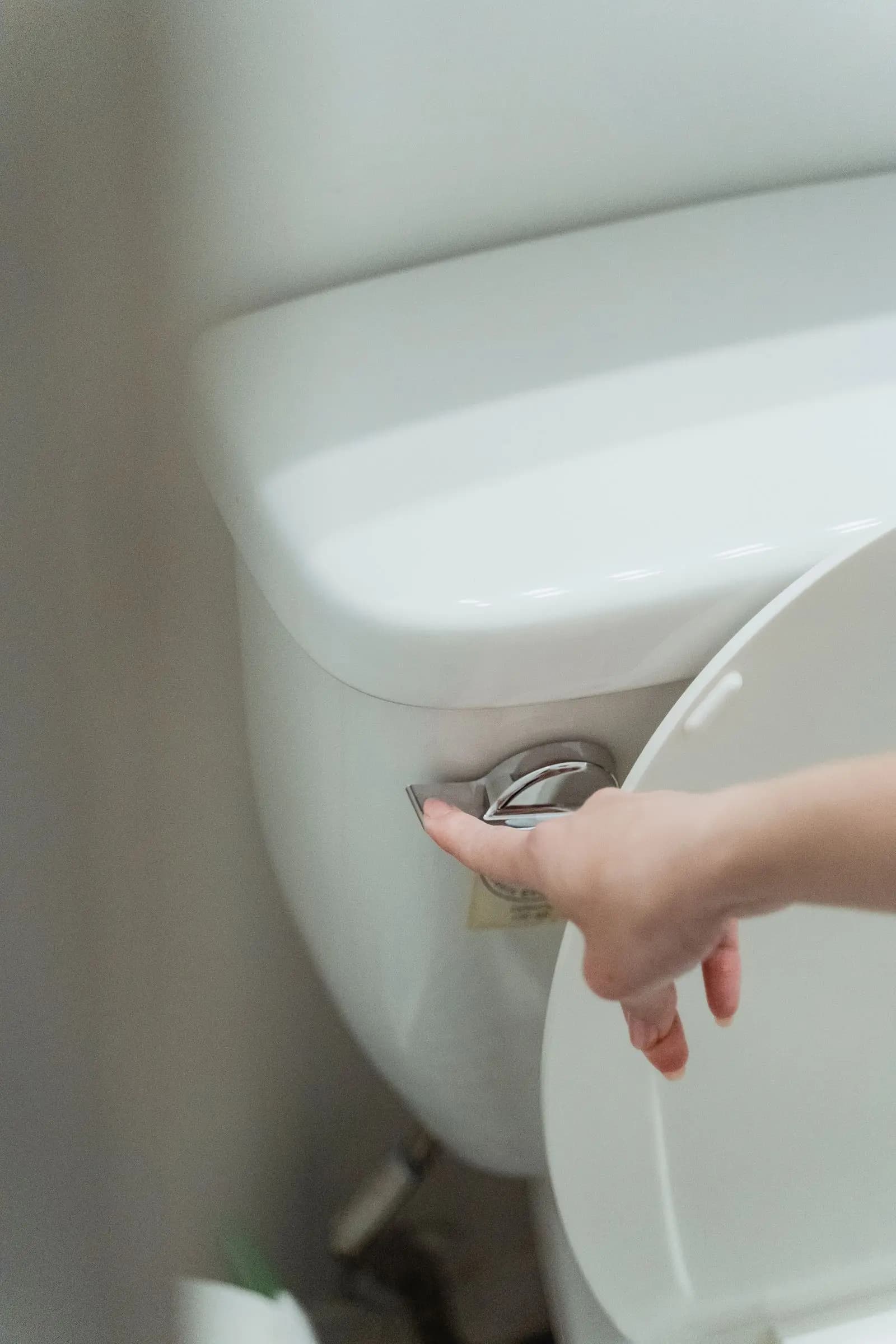
Toilet Repair and Replacement
Most toilet problems, like running, weak flushes and leaks, come from a worn flapper, fill valve or wax ring and are quick repairs.
Learn more
Get drain cleaning help now
Call (888) 555-0142 to reach an available local pro, or request service online.