Drains and sewer
Main Sewer Line Clog: Signs and What to Do
Updated · By the Keystream Plumbing editorial team
How to tell it's the main line
A single slow sink is a local clog. The main line is the likely problem when:
- Toilets gurgle when a sink or washer drains
- Water comes up in the tub or shower when you flush
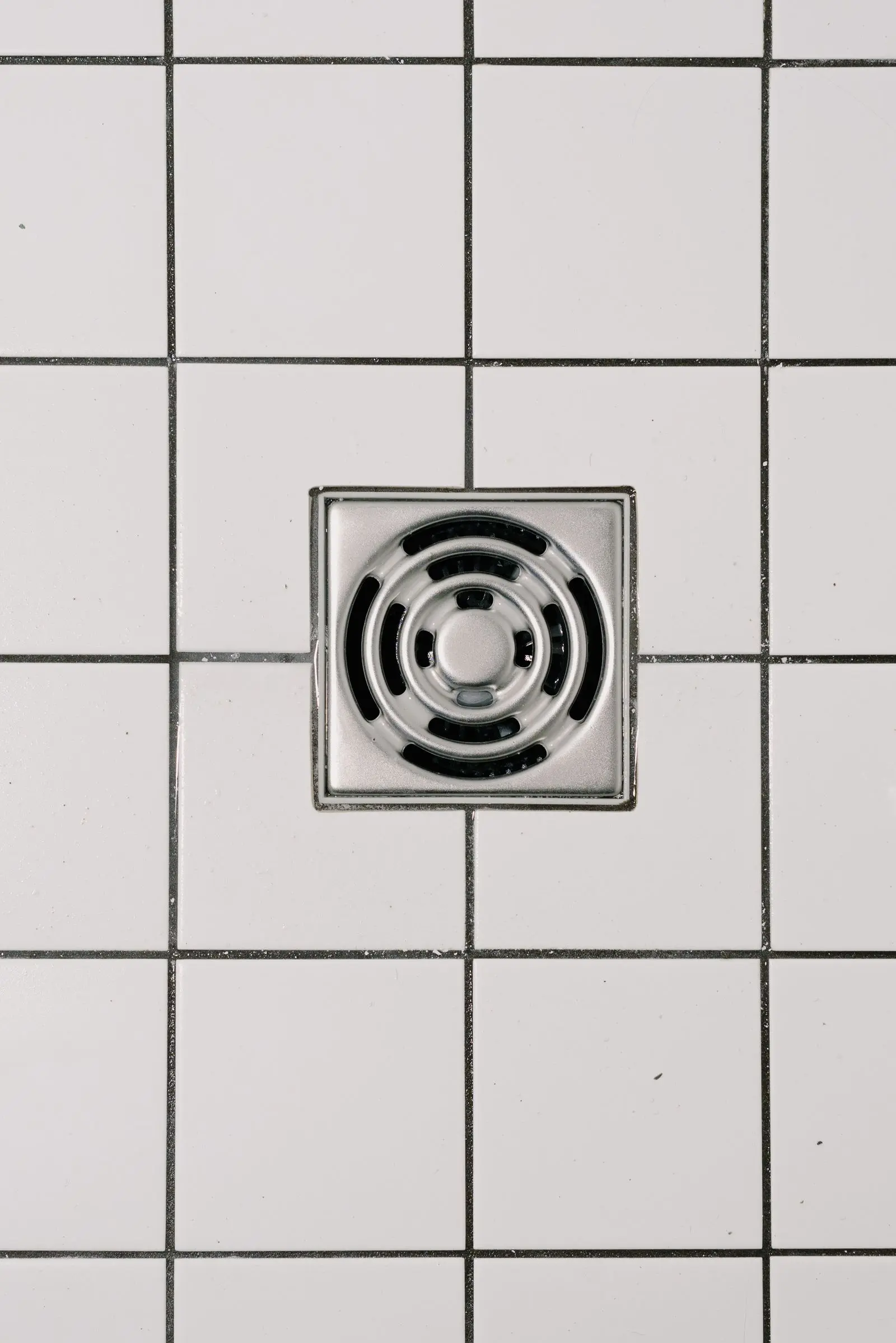
- The basement floor drain backs up
- Every drain in the house is slow
- You smell sewage near a floor drain or cleanout
What to do right now
Stop using water, including the dishwasher and washing machine. Every gallon you drain has to go somewhere, and with a blocked main it comes up in the lowest fixture. Don't use chemical drain cleaners; they won't clear a main line and make the plumber's job dangerous.
How plumbers clear it
The plumber opens a cleanout, a capped pipe usually near the foundation or in the basement, and runs a large cable or water jetter to the blockage. A camera inspection afterward shows whether roots, a sag or a broken pipe caused it. Recurring clogs often mean sewer line repair is needed.
Common causes
Tree roots, grease, wipes labeled flushable, and older pipes with offsets or sags are the usual culprits. In cities with combined sewers, heavy storms can also push water back into basements; a backwater valve helps.
Frequently asked questions
Can I use a plunger on a main sewer line clog?
A plunger won't reach a main line clog. It may push water up through another fixture. Stop using water and call a plumber.
Are 'flushable' wipes safe for sewer lines?
Most don't break down like toilet paper and are a leading cause of main line clogs. Put them in the trash.
Is a sewer backup covered by homeowners insurance?
Often only if you have a sewer backup endorsement. Check your policy; many standard policies exclude it.
Editorial note: This guide is general information for homeowners, not a substitute for an on-site assessment. Local codes and conditions vary; a licensed pro can confirm what applies to your home.